

Angela Santo

| Integrating Medicinal Chemistry and Bioinformatics to Advance Knowledge on P2X7R in Neuroinflammation and Tumor Immunity |
| Angela Santo1, Imane Ghafir El Idrissi1,Daniele Vitone1, Diego Dal Ben2, Andrea Spinaci2, Michela Buccioni2, Rosaria Volpini2, Jens D. Mikkelsen3, Stefan Mordalski4, Lars Juhl Jensen4, Marcello Leopoldo1, Enza Lacivita1 1 Dipartimento di Farmacia-Scienze del Farmaco, Università degli Studi di Bari Aldo Moro, Via Orabona 4, 70125 Bari (Italy); 2 Scuola di Scienze del Farmaco, Università di Camerino, Via Madonna delle carceri, 62032 Camerino (Italy); 3 Neurobiology Research Unit, University Hospital Rigshospitalet, Copenhagen 2100, Denmark Institute of Neuroscience, University of Copenhagen, Copenhagen 2200, Denmark; 4 ZS Associates A/S, Lottenborgvej 26, 2800 Kgs. Lyngby (Denmark) |
| Abstract The purinergic receptor P2X7 (P2X7R) is an ATP‑gated cation channel involved in cell death, cytokine release, and immune regulation. Its high expression in microglia and central role in neuroinflammation make it a promising target for Positron Emission Tomography (PET) imaging in neurodegenerative diseases [1]. Despite the development of selective antagonists, the lack of CNS‑permeable molecules and limitations related to metabolic stability, brain penetration, and receptor polymorphisms have so far prevented the identification of a clinically validated radiotracer [2]. Starting from a literature survey, three P2X7R‑active chemotypes were identified and evaluated for key attributes for CNS penetration. The most tractable scaffold was further modified to identify a potential P2X7 PET tracer. We identified derivative ANS-20, which combined high affinity and selectivity for human P2X7R, metabolic stability, low nonspecific binding to brain tissue, thus proposing as promising PET candidate. P2X7R also plays a complex role in cancer, contributing to both tumor progression and immune modulation [3]. Thus, a pan‑cancer analysis integrating RNA‑seq, co‑expression networks, and enrichment analysis revealed that P2X7R is overexpressed in several tumors, particularly gliomas, where it participates in a coordinated purinergic module associated with proliferation, aggressiveness, and immune remodeling. The identification of co‑expressed and potentially druggable genes suggests that targeting purinergic system with a multitarget strategy can be more effective than a single‑target modulation. This work integrates medicinal chemistry, molecular imaging, and systems biology to redefine the role of P2X7R as a diagnostic and therapeutic target. 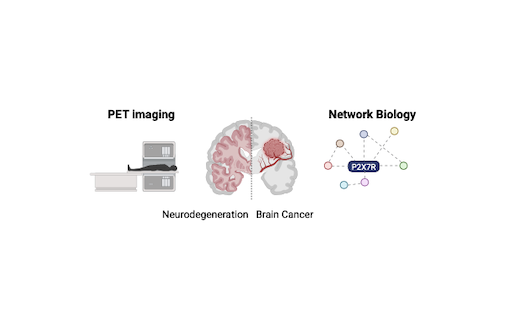 Figure 1. P2X7R as a diagnostic and therapeutic target |
| References [1] El Idrissi, I. G.; Podlewska, S.; Abate, C.; Bojarski, A. J.; Lacivita, E.; Leopoldo, M. Structure–Activity Relationships and Therapeutic Potential of Purinergic P2X7 Receptor Antagonists. Curr. Med. Chem. 2024, 31 (11), 1361–1403. https://doi.org/10.2174/0929867330666230403094538 [2] El Idrissi, I.; Spinaci, A.; Vitone, D.; Intranuovo, F.; Niso, M.; Brunetti, L.; Francucci, B.; Pazarlar, B. A.; Magnusdottir, K. H.; Paradies, E.; Marobbio, C. M. T.; Ricci, L.; Grignolo, M.; Iacobazzi, R. M.; Marucci, G.; Dal Ben, D.; Lambertucci, C.; Volpini, R.; Denora, N.; Adinolfi, E.; Mikkelsen, J. D.; Buccioni, M.; Lacivita, E.; Leopoldo, M. A Holistic Approach to Identifying a Positron Emission Tomography (PET) Tracer Candidate for In Vivo Imaging of Purinergic P2X7 Receptor in Neuroinflammation. ACS Pharmacol. Transl. Sci. 2026, 9, 997–1009. https://doi.org/10.1021/acsptsci.5c00820 [3] Zhang G, Liao J, Liu Y, Zhu F, Huang H and Zhang W. Ion channel P2X7 receptor in the progression of cancer. Front. Oncol. 2024, 13:1297775. https://doi.org/10.3389/fonc.2023.1297775 |