

Speakers & Round Table
Invited Lectures
- Ottavia Bettucci

Chemist, researcher, and science communicator, Ottavia Bettucci is a researcher in renewable energies and sustainable synthetic approaches at the Department of Materials Science, University of Milano-Bicocca.
Alongside her research, she has developed a strong and multifaceted commitment to science communication, working with publishing houses such as Mondadori and Rizzoli Education, and contributing as a freelance writer to science communication magazines including Galileo – giornale di scienza, Sapere (Dedalo), and Science in School.
Her passion for bringing science beyond the laboratory led her, in 2020, to create “streetscience”, a project that uses urban art to communicate scientific concepts, and, in 2021, to host the science communication programme La Banda dei Fuoriclasse on Rai Gulp.
Since 2022, she has also served as coordinator of the board of the interdivisional group Diffusione della cultura chimica of the Società Chimica Italiana.
Today, she brings together her scientific background and her passion for communication through scientific stand-up comedy, using humour and storytelling to make science accessible, engaging, and entertaining
- Narcis Avarvari
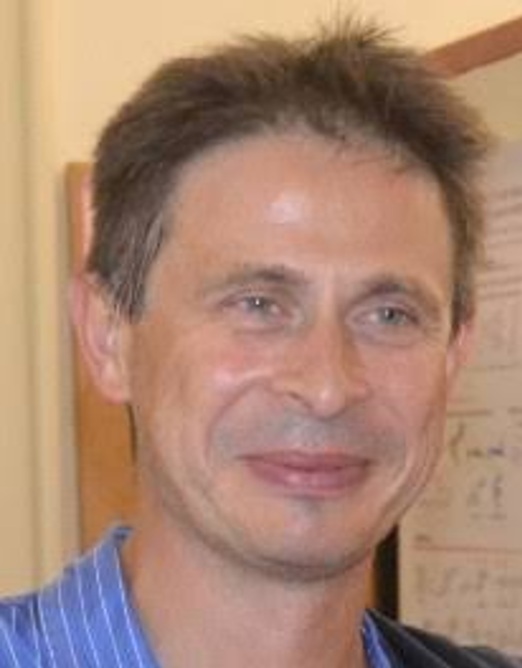
Narcis Avarvari is a CNRS Director of Research at the University of Angers, where he leads the CIMI (Chimie Inorganique, Matériaux et Interfaces) research group within the MOLTECH-Anjou laboratory.
His research focuses on the design, synthesis and characterization of molecular and coordination materials with tailored electronic, magnetic and chiroptical properties. His work encompasses molecular materials based on tetrathiafulvalenes, metal dithiolene complexes, functional helicenes, coordination polymers and nitrogen-based ligands, with a particular interest in chirality.
More recently, his research has expanded to metal–organic frameworks (MOFs) and functional porous coordination materials, contributing to the development of innovative materials for emerging applications in materials science.
Throughout his career, Avarvari has received several scientific distinctions, including the 2007 Prize of the French Chemical Society – Coordination Chemistry Division and the “Gheorghe Spacu” Medal of the Romanian Chemical Society.
He has also held invited professorships at universities and research institutions in Sweden, Romania and Japan.
In 2020, he was elected a Member of the European Academy of Sciences (EurASC), Chemistry Division. His research contributes to the development of innovative molecular and coordination-based materials for emerging applications in materials science.
ROUND TABLE – L’IA nella ricerca e nella formazione: tra opportunità, rischi e giudizio critico
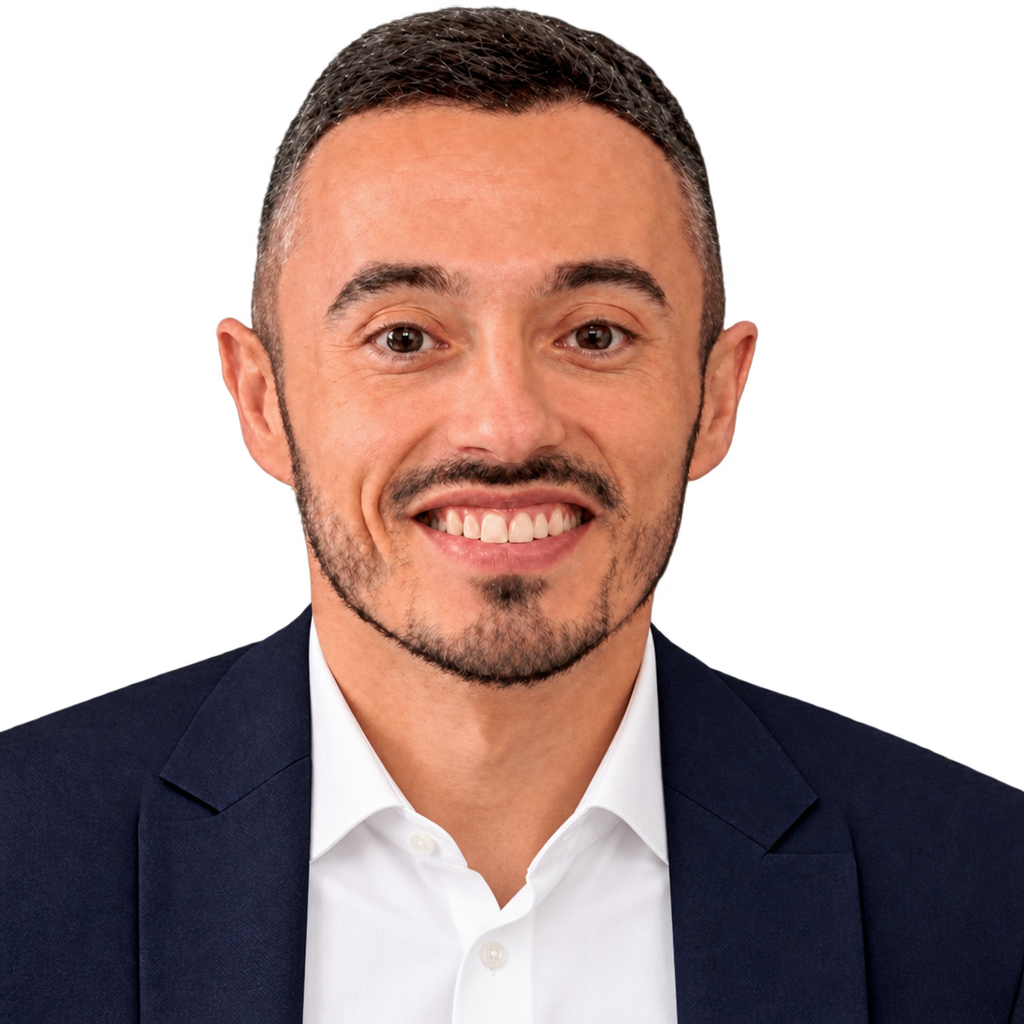
Mirko Marras is an Associate Professor of Computer Science at the University of Cagliari, Italy. He received his PhD in Computer Science with a thesis on machine learning models for educational platforms and subsequently conducted postdoctoral research at EPFL (Switzerland) within the Machine Learning for Education (ML4ED) Lab. His research focuses on responsible human-centered artificial intelligence, with particular attention to the interaction between people and intelligent systems and to their applications in education and training. His work has addressed, among other topics, the use of artificial intelligence to support learning, teaching, and academic decision-making, including personalized learning, learning analytics, teacher support, and AI-assisted programming education, with particular attention to how these technologies can be integrated responsibly into educational contexts. This includes, for example, issues related to reliability, fairness, human agency, and the preservation of meaningful learning experiences. He has co-authored more than 120 scientific publications and has held visiting research positions at Eurecat Technology Centre of Catalonia (Spain), the University of Las Palmas de Gran Canaria (Spain), and New York University (US). He is also involved in university and national project initiatives concerning the responsible integration of artificial intelligence into higher education.
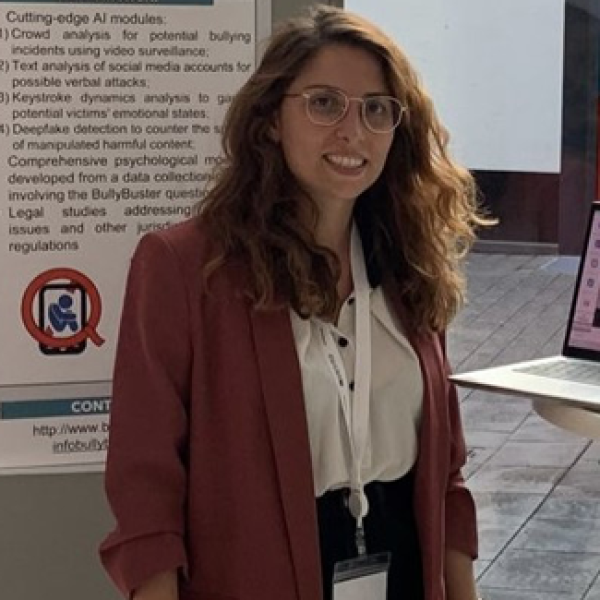
Giulia Orrù received her M.S. and Ph.D. degrees in Electronic and Computer Science Engineering from the University of Cagliari, Italy, in 2017 and 2021, respectively.
She is currently a researcher in Computer Engineering at the University of Cagliari, Italy.
In 2014, she joined the Pattern Recognition and Applications Laboratory (PRA Lab) at the Department of Electrical and Electronic Engineering (DIEE), where she works on pattern recognition and its applications, with a particular focus on biometric recognition, presentation attack detection systems, and adaptive biometric systems. On these topics, she has published in scientific journals and international conference proceedings.
She serves as a reviewer for international journals and conferences in the fields of pattern recognition, biometrics, and image processing. She is a member of IEEE and IAPR.
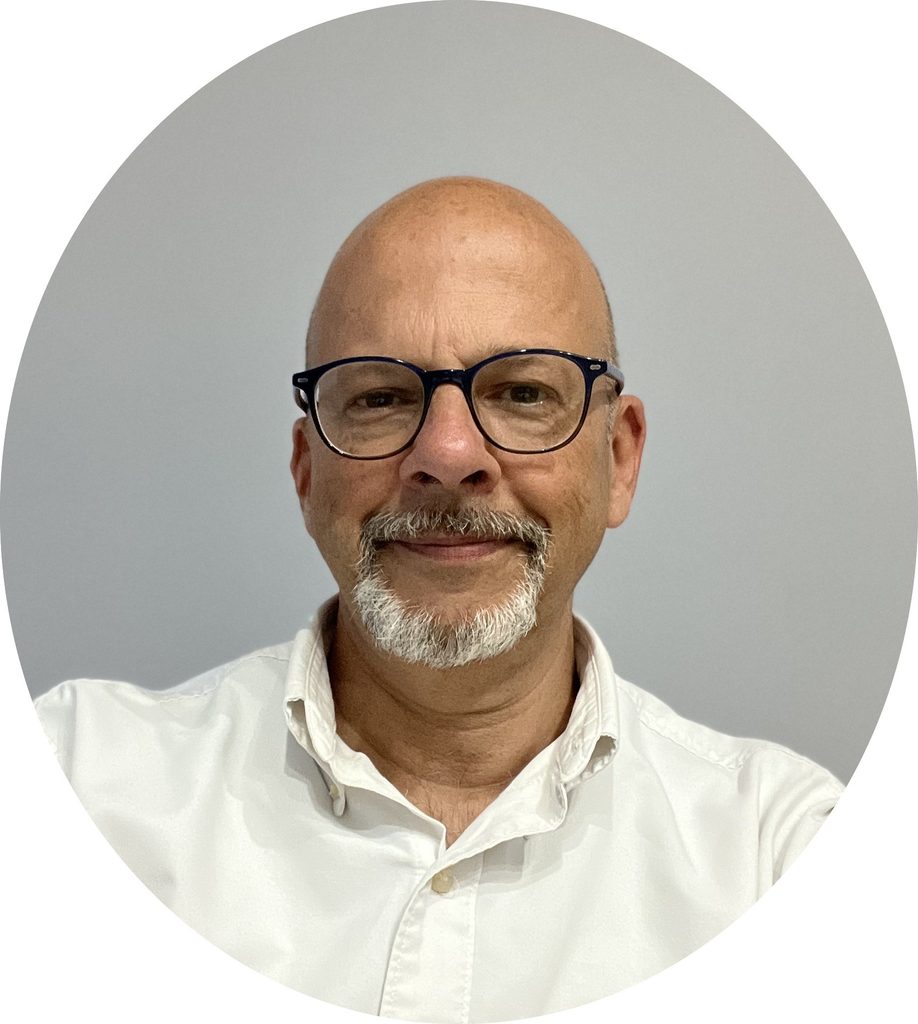
Silvio Marcello Pagliara is a researcher in Special Pedagogy and Inclusive Education at the University of Cagliari. His research focuses on the design of inclusive and accessible learning environments through educational and assistive technologies, Universal Design for Learning (UDL), and Artificial Intelligence in education. His work investigates the conditions under which technology can act as an effective mediator within educational contexts, supporting accessibility, participation, personalisation and inclusion. Drawing on a long-standing background in assistive technology and disability, his research has progressively expanded from the assessment and integration of assistive technologies to the pedagogical design of inclusive learning environments and teacher education. He has extensive experience in national and international research and innovation projects addressing digital inclusion, assistive technology, accessibility and inclusive education. His work has included European initiatives such as ENTELIS, which addressed the digital divide and digital inclusion, as well as subsequent research on Universal Design for Learning, inclusive educational practices and models for the pedagogically appropriate integration of technology. His recent research examines the role of Artificial Intelligence in inclusive education, including its potential for accessibility and personalisation as well as the pedagogical, ethical and organisational conditions required for its responsible adoption. A particular strand of this work considers AI not only as a tool, but also as a mediator and an educational environment, placing pedagogical design and teacher agency at the centre of technology integration. Teacher education and professional development represent a further major area of his activity. He has designed and delivered training for pre-service and in-service teachers and other professionals, with particular attention to inclusive educational design, digital and AI literacy, assistive technologies and the critical use of technology. His academic and professional experience includes research, teaching, international cooperation, capacity building and collaboration with universities, public institutions, schools, assistive technology services and other stakeholders. He has delivered invited lectures and conference presentations in Italy and internationally and has authored numerous publications on technology, accessibility and inclusion.
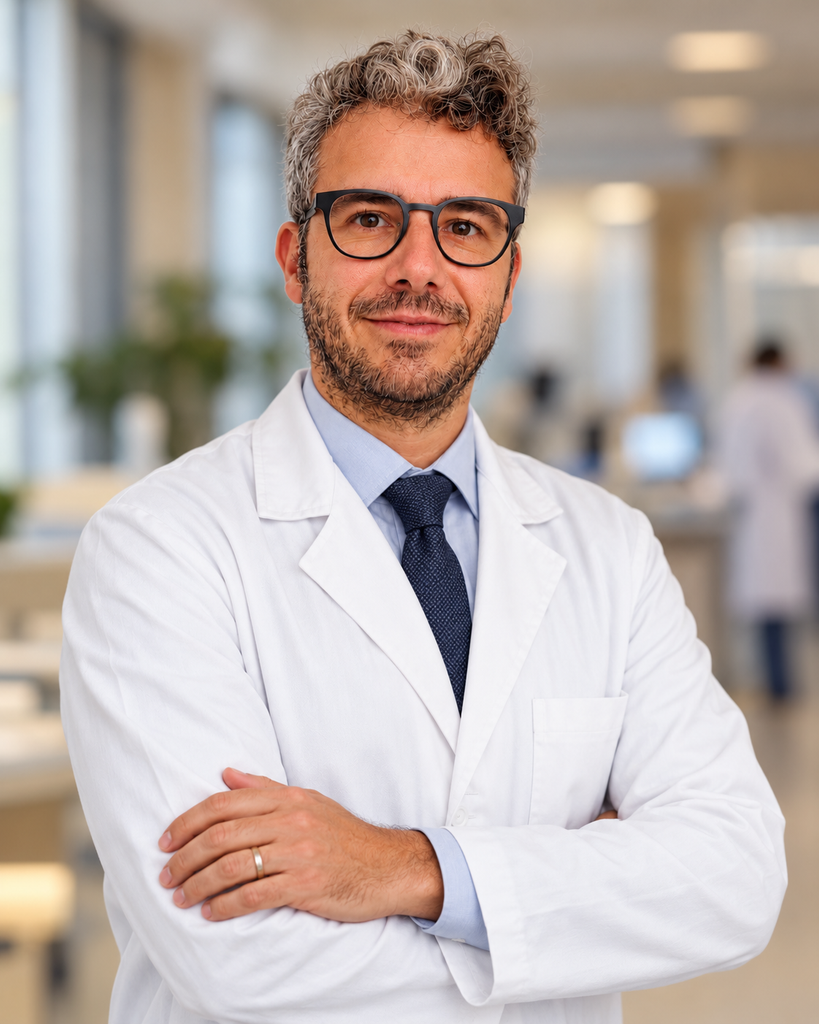
Luigi Angelo Vaira, MD, PhD, is a researcher and Maxillofacial and Head & Neck Surgeon at the University of Sassari, Italy. A major focus of his current scientific activity is the application of Artificial Intelligence, Large Language Models, telemedicine, and digital technologies to medicine and surgery, with particular interest in AI-assisted diagnosis, clinical decision support, medical education, and the integration of generative AI into everyday clinical practice. He has coordinated and participated in national and international multicentre studies investigating the use of AI for the diagnosis and management of oral and head and neck diseases, including the application of multimodal and large language models to diagnostic reasoning and clinical decision-making. He has also developed some of the first structured frameworks for evaluating the quality and reliability of AI-generated medical information, including QAMAI and AIPI, with the aim of improving the rigorous assessment and responsible clinical use of generative AI tools. Alongside his work in AI, his clinical and research activity focuses on oral and maxillofacial surgery, head and neck oncology, facial reconstruction, and advanced implant rehabilitation, with particular expertise in custom-made patient-specific implants, digital surgical planning, computer-assisted surgery, and fully digital workflows for complex cranio-maxillofacial rehabilitation. He is the Scientific Director of SimulMedica, the Medical Simulation Centre of the University of Sassari, and is actively involved in undergraduate and postgraduate education, surgical training, and international research collaborations. Dr. Vaira has authored more than 330 indexed scientific publications, has an H-index of 43, and has been included in the Stanford/Elsevier World’s Top 2% Scientists ranking for four consecutive years. His current research aims to integrate Artificial Intelligence with patient-specific technologies, custom-made implant design, digital surgical planning, and advanced computer-assisted workflows, translating innovation into practical solutions for diagnosis, treatment planning, surgery, and medical education.
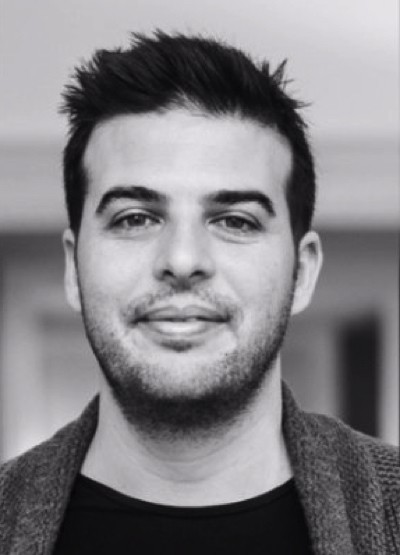
Andrea Zanda, PhD, is the CEO and co-founder of Rombo AI, a technology company applying artificial intelligence to nuclear magnetic resonance (NMR) spectroscopy and chemical analysis. His work focuses on translating advances in machine learning into practical tools for scientific and industrial applications, including automated spectral interpretation and predictive modelling. He holds a PhD in Computer Science and a Master’s degree in Computer Science from the University of Pisa. A Fulbright BEST programme awardee, he also studied entrepreneurship at Santa Clara University in California. Andrea brings more than a decade of experience in developing AI products and leading international technical teams. His previous roles include Head of Machine Learning at Hoodline and AI Project Manager at Istella, alongside consulting work in healthcare and the automotive industry. His research has covered adaptive data mining, context-aware systems and recommendation algorithms, with publications in international journals and conferences. At Rombo AI, he combines his research background and entrepreneurial experience to make advanced analytical methods more accessible and useful to researchers and industry.
CONTACT
Email
ngc26@unica.it
FOLLOW US

