
Alberto Cagigi (Stockholm, Sweden)
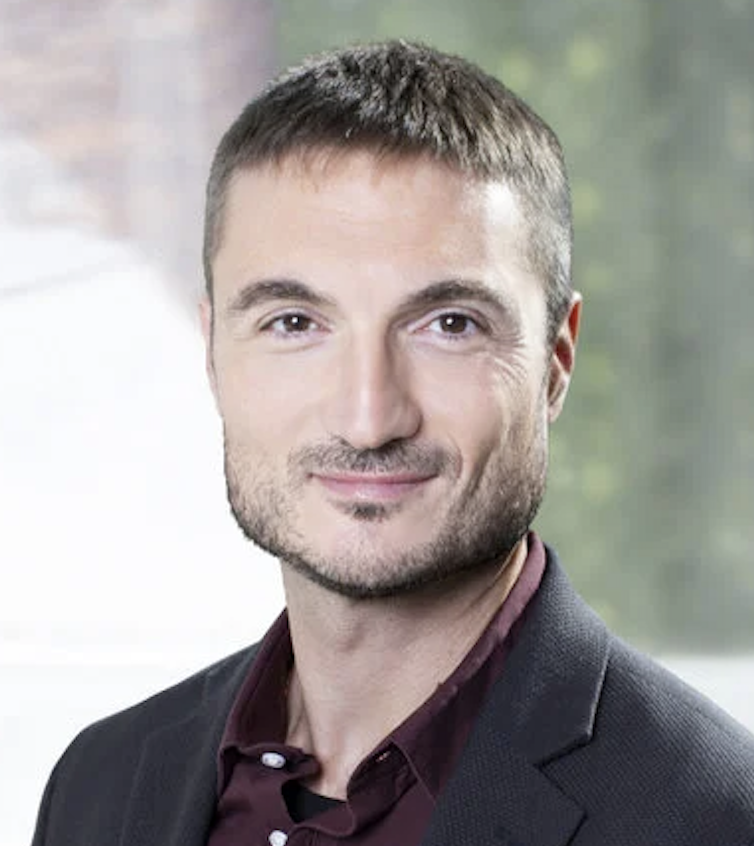
ALBERTO CAGIGI is an immunologist and vaccine scientist with more than 15 years of experience in infectious diseases, antibody therapeutics, and advanced vaccine development. He currently serves as Senior Director at the International Vaccine Institute (IVI) Europe Regional Office, where he provides scientific and strategic leadership for vaccine research and development programs spanning antigen discovery, platform technologies, preclinical evaluation, and translational advancement. Dr. Cagigi has built a distinguished international career across academia, government research institutions, biotechnology, and global health organizations. His professional experience includes leadership roles at the International Vaccine Institute (IVI), Nykode Therapeutics, Karolinska Institutet, and the Vaccine Research Center of the U.S. National Institutes of Health (NIH/NIAID). At the NIH, he led the isolation and characterization of neutralizing monoclonal antibodies against Ebola virus, contributing to the development of therapeutic antibody candidates and supporting vaccine clinical trial initiatives.His research has focused on vaccine immunology, viral pathogenesis, monoclonal antibody discovery, and next-generation vaccine platforms, including mRNA, DNA, and nanoparticle-based technologies. He has played key roles in the development and evaluation of innovative vaccines targeting HIV, influenza, Ebola virus, rabies, pneumoviruses, and emerging infectious diseases. He has authored numerous high-impact scientific publications in leading journals including Science, Immunity, Nature Communications, and The Lancet Infectious Diseases. His contributions to Ebola antibody therapeutics are also reflected in an international patent on neutralizing antibodies targeting Ebola virus glycoprotein. In addition to his research activities, Dr. Cagigi is actively engaged in scientific leadership, mentoring, and international collaboration. He serves as Associate Editor for Frontiers in Medicine and Frontiers in Public Health, lectures in immunology and translational medicine, and has supervised numerous trainees across academic and industry settings. His work continues to advance global preparedness against emerging pathogens through innovative vaccine and biologics development.
Valeria Cagno (Lausanne, Switzerland)
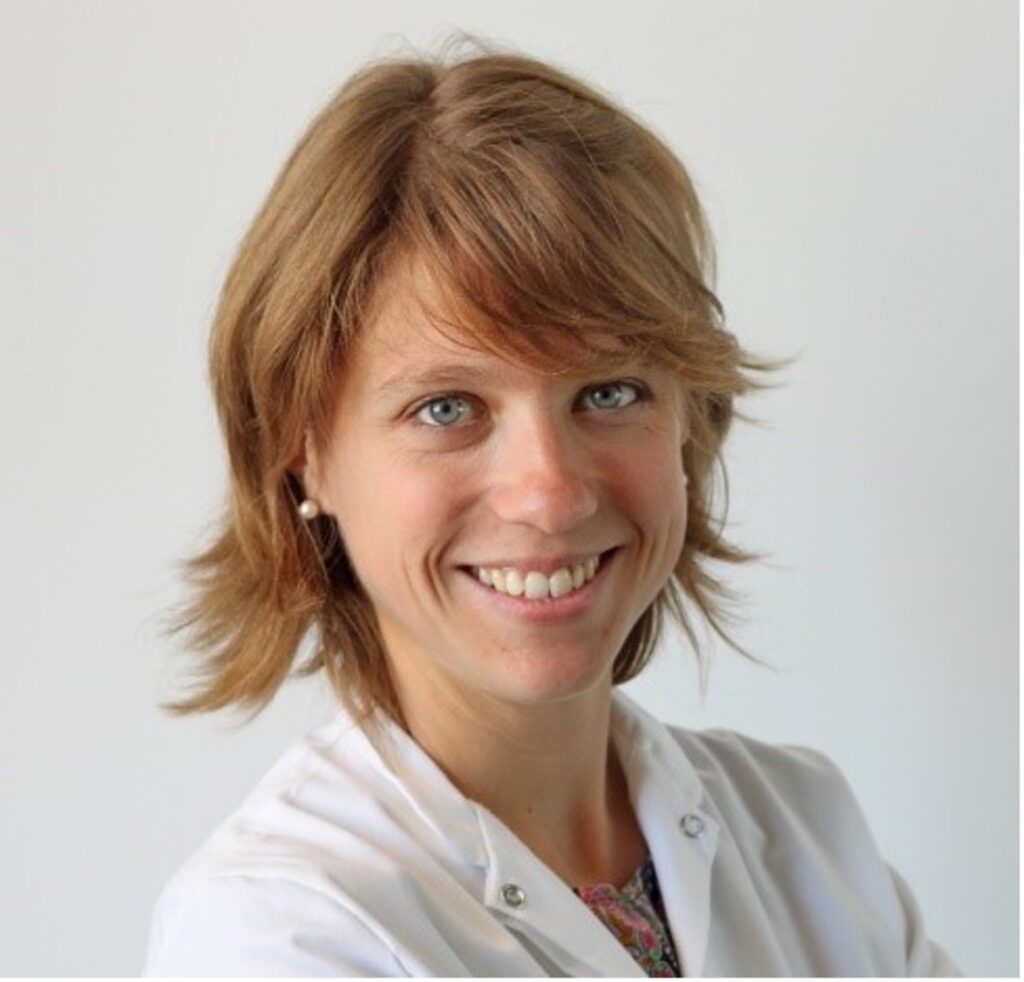
VALERIA CAGNO Valeria Cagno is a Group Leader and Assistant Professor at the Institute of Microbiology of Lausanne, working on broad-spectrum innovative antiviral approaches. She is a recipient of the Swiss National Science Foundation Starting Grant. From 2021 to 2025, she was an Ambizione grantee, always in Lausanne. Previously she was Maitre-Assistante in the Department of Microbiology and Molecular Medicine of the University of Geneva. She did her postdoctoral work between the University of Geneva (Laboratory of Caroline Tapparel) and EPFL (Laboratory of Francesco Stellacci). She got her PhD in Medicine and Experimental Therapy from the University of Torino, working in the laboratory of David Lembo. Her current research focuses on finding innovative antiviral approaches for respiratory viruses, flaviviruses, and emerging viruses targeting the host cell, the viral attachment, and viral RNA. She authored and co-authored more than 60 publications in international journals, including Nature Materials, Science Advances, Science Translational Medicine, Lancet Microbe, Antiviral Research, Antimicrobial Agents and Chemotherapy, Journal of Virology, Journal of Medical Virology and others, and she is the inventor of 8 patents. Her research has been funded by the Swiss National Science Foundation, Novartis Biomedical Foundation, Bavarian Nordic, Helmut Horten Foundation, InnoSTEP fund, and the University Hospital of Geneva. In 2026 she receives the William Prusoff Memorial Award given by the International Society for Antiviral Research to outstanding researchers in the antiviral field, and the Laboratory Virology Award given by the International Immunocompromised Host Society for her research on pan-respiratory antiviral molecules.
Ilaria Carli (Pomezia, Italy)
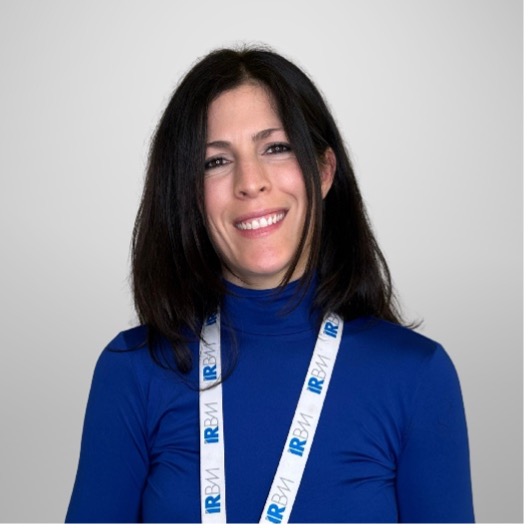
Ilaria Carli, PhD, is a molecular biologist and Principal Research Scientist at IRBM in the Infectious Diseases Unit since 2021. She holds a PhD in Molecular Medicine from the University of Padua, where she developed a broad background in molecular and cellular virology. Her research experience spans viral systems, including HIV, influenza and herpesviruses, as well as the development and application of lentiviral vector and cell-based models to investigate viral replication, virus–host interactions, antiviral activity and resistance mechanisms. At IRBM, her research focuses on antiviral drug discovery, with particular emphasis on emerging viruses and on the development and application of cellular and molecular assays to identify and characterize antiviral agents. She contributes to multidisciplinary discovery programs, integrating virology, phenotypic and target-based approaches, mechanistic studies and cellular models to support the progression of antiviral programs. Her experience includes coronavirus drug discovery and ongoing work on flavivirus antivirals, including the further characterization and development of a novel class of Zika virus protease inhibitors and the investigation of their potential for broader-spectrum, pan-flaviviral activity. Her scientific interests lie at the interface between molecular virology and drug discovery, with a particular focus on translating an understanding of viral biology and mechanisms of infection into robust experimental strategies for the identification and optimization of novel antiviral compounds.
Simona Distinto (Cagliari, Italy)
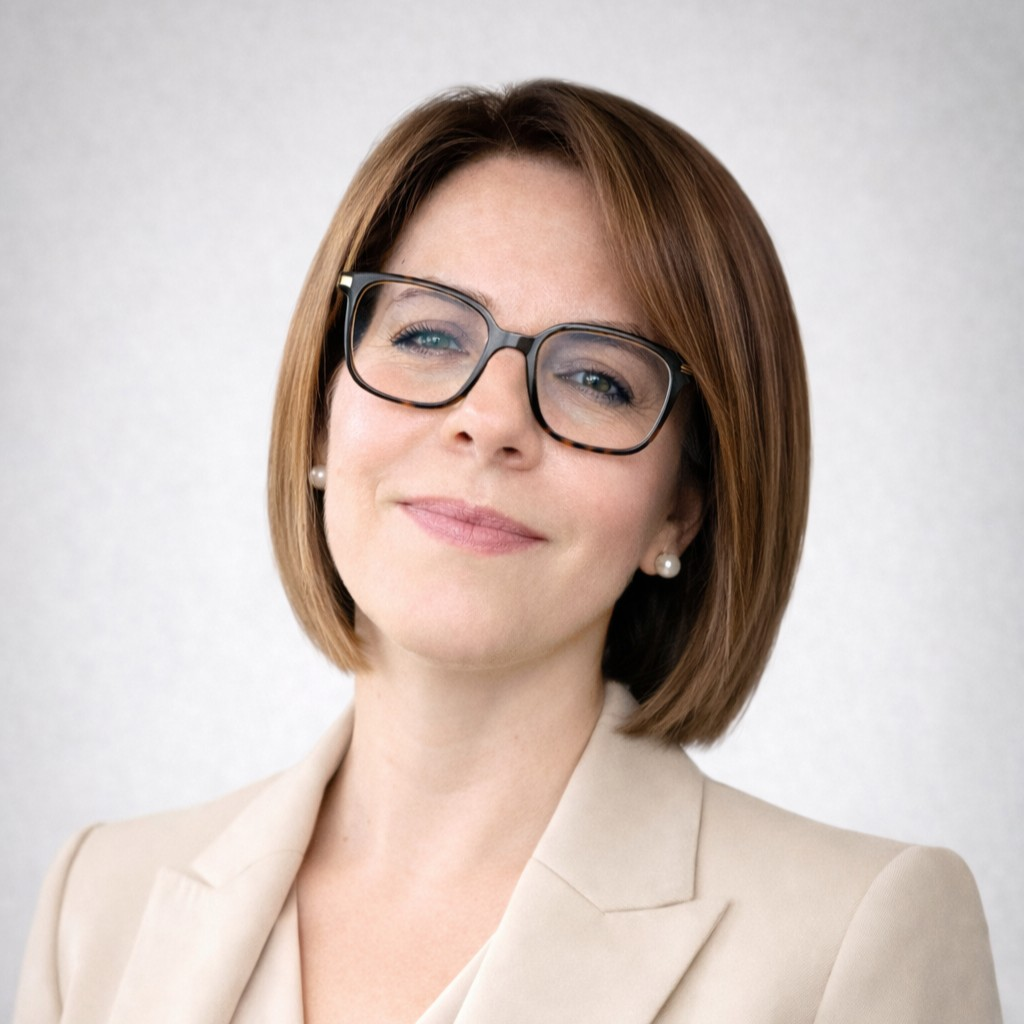
SIMONA DISTINTO is Associate Professor of Medicinal Chemistry at the University of Cagliari, where she has led the Computer-Aided Drug Design Laboratory since 2012. Her research integrates computational chemistry, medicinal chemistry and biological validation to identify and optimize novel bioactive compounds, with a particular focus on antiviral and anticancer drug discovery.Her antiviral research spans a broad range of clinically relevant targets, including HIV-1 reverse transcriptase, the Ebola virus proteins VP24 and VP35, coronavirus NSP13 helicase, and flavivirus NS3 proteins. Her current work focuses on conserved and multifunctional viral enzymes, broad-spectrum antiviral strategies, allosteric and multi-target inhibition, and the development of integrated workflows linking computer-aided drug design, medicinal chemistry, and virological validation.Prof. Distinto has authored more than 80 peer-reviewed publications in medicinal chemistry, molecular modelling and antiviral drug discovery. She has gained extensive international experience in both academic and industrial settings, including research appointments at the University of Innsbruck and a position as Senior Application Scientist at InteLigand in Vienna. Her current research is particularly focused on conserved and multifunctional viral enzymes, broad-spectrum antiviral strategies, allosteric and multi-target inhibition, and the development of integrated CADD-medicinal chemistry-virology workflows. She has led or contributed to several funded antiviral research initiatives, including INF-ACT, ADVISE, OSARE, and Drug4Cov, aimed at identifying novel inhibitors of coronaviruses and flaviviruses. Her broader research portfolio also includes studies on Ebola virus immune-evasion mechanisms, HIV-1 RNase H inhibitors, and STING agonists with broad-spectrum antiviral potential.
Federico Forneris (Pavia, Italy)
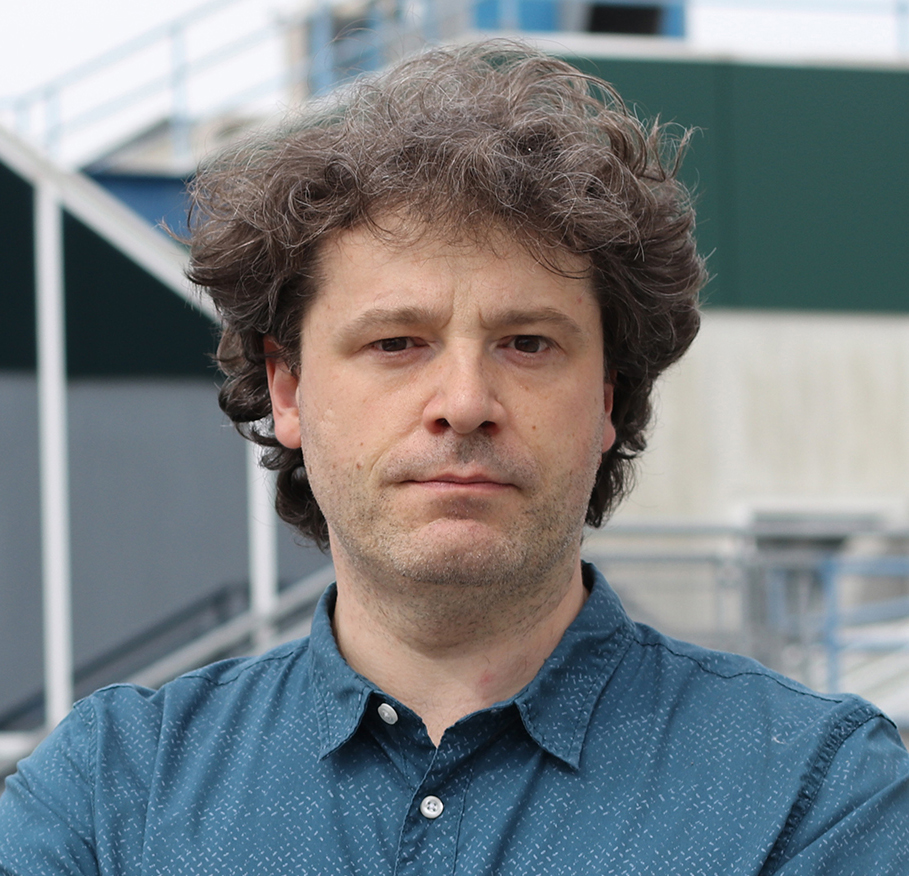
FEDERICO FORNERIS graduated in Physical Chemistry (Univ. Turin, 1997-2002) and got his PhD in basic and applied bio-molecular sciences (Univ. Pavia, 2003-2008), then did a postdoc the Bijvoet Centre for Bio-molecular Research, Utrecht University (NL) (2009-2013). In 2014, thanks to the Armenise-Harvard Career Development Award and the Rita Levi-Montalcini Award, he established his independent research lab at the University of Pavia (https://fornerislab.unipv.it). Since then, his team secured >5 M€ in grants and awards (>1 grant per year as principal investigator since 2014). He became Full Professor of Molecular Biology in 2023, with dual affiliation at the IRCCS Policlinico San Matteo. He co-authored more than 80 scientific publications (Google Scholar H-index 37). He served as Vice-Rector for Research at the University of Pavia (2021-2025) and is currently President of the INF-ACT Foundation (https://www.inf-act.it), where he coordinated a 114.5 M€ project involving >800 researchers working in 70 institutions in Italy, and is now Principal Investigator of two freshly started MUR PN RIC 2021-2027 research projects (ACT4 and MARE, total investment ⁓30 M€). He also serves as President of the Centro Grandi Strumenti of the University of Pavia (https://cgs.unipv.it), a platform offering high-tech infrastructures for STEM and life science research, and Coordinator of a Synchrotron Beamtime Allocation Group (BAG) at the ESRF Grenoble. The common theme of the active research projects of the Forneris lab is the elucidation of the intricate mechanisms of extracellular protein-protein interaction, signaling, and extracellular matrix assembly using integrative structural biology approaches. Research topics include ligand-receptor interactions critical for formation and stabilization of synapses, collagen biosynthesis and catabolism, host-pathogen interactions, and unusual signaling cascades in arthropod vectors.
Brian Gowen (Logan, UT – USA)
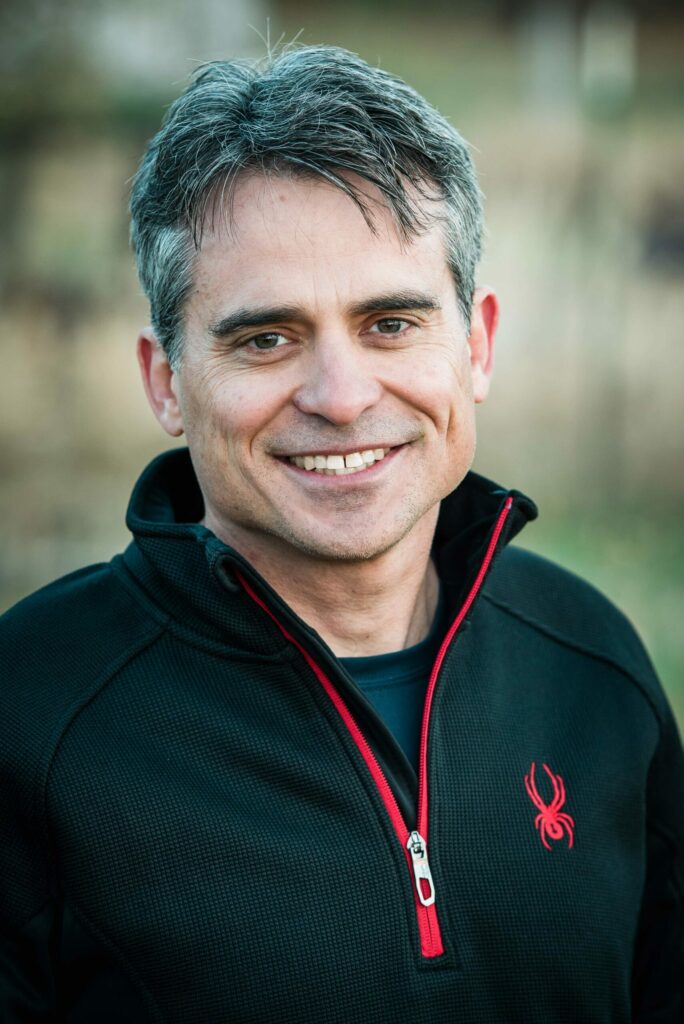
BRIAN GOWEN Brian Gowen earned his Ph.D. in Biomedical Sciences from the University of South Carolina School of Medicine in 2000 after completing a bachelor’s degree in microbiology at Colorado State University. He subsequently completed postdoctoral training at the Rocky Mountain Laboratories campus of the National Institute of Allergy and Infectious Diseases, National Institutes of Health, where he studied host-pathogen interactions. In 2004, Dr. Gowen joined Utah State University, where he is currently Professor of Virology in the Department of Animal, Dairy, and Veterinary Sciences and Director of the Institute for Antiviral Research. His research focuses on the preclinical development of antiviral therapeutics and vaccines targeting arenaviruses and bunyaviruses, with additional interests in immune responses to viral infection and the complex interactions between viruses and their hosts. Dr. Gowen has authored more than 90 peer-reviewed publications, holds four patents, and received the William Prusoff Young Investigator Award from the International Society for Antiviral Research in 2011. He serves on the National Institutes of Health Viral Pathogenesis and Immunity study section and is a member of the editorial boards of Antiviral Research and Scientific Reports. His research program is supported primarily by the National Institutes of Health and the U.S. Department of Defense..
Nicole Grandi (Cagliari, Italy)
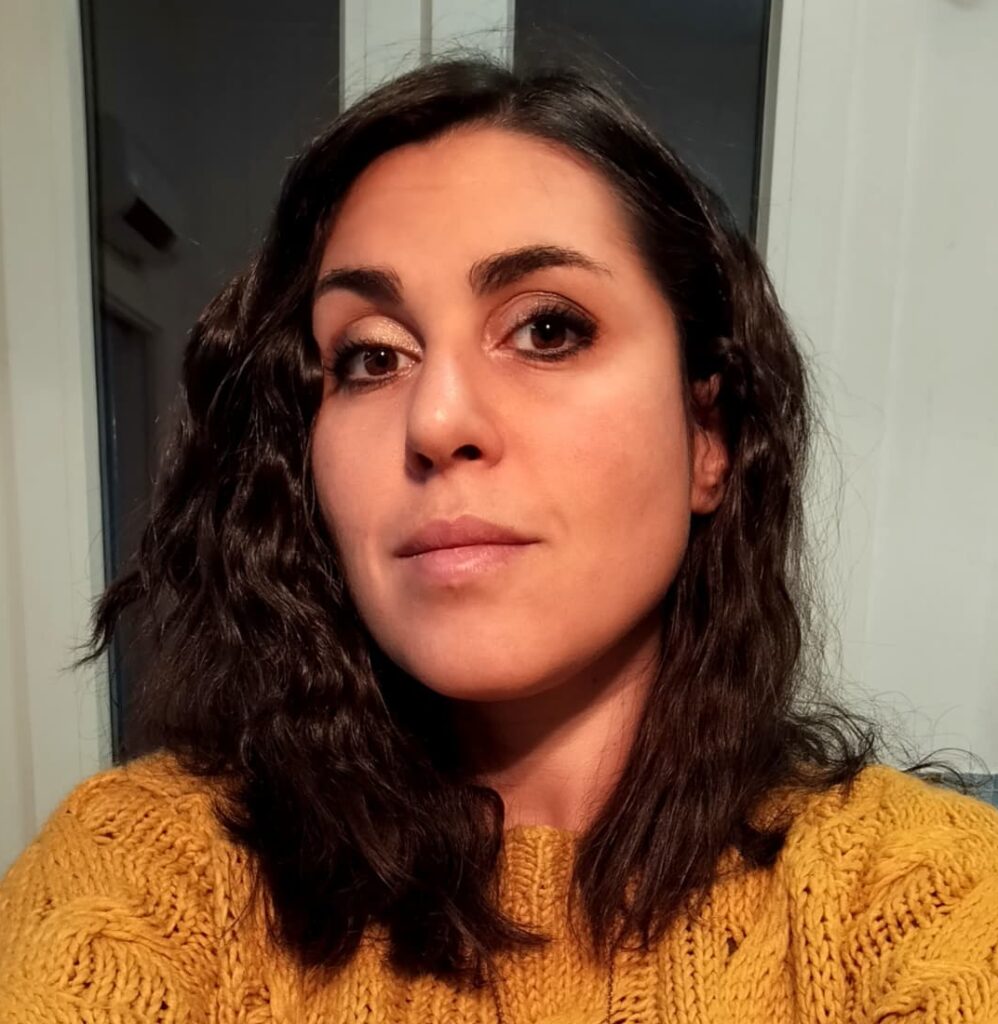
NICOLE GRANDI obtained her PhD in Life, Environmental and Drug Sciences in 2017 and is currently Associate Professor of Microbiology at the University of Cagliari. She leads the Bioinformatics Unit at the Laboratory of Molecular Virology, Department of Life and Environmental Sciences, where her research integrates molecular virology and microbiology with the computational analysis of omics data.Her main scientific focus is on human endogenous retroviruses (HERVs), including the characterization of their integration sites in the human genome, their evolutionary dynamics in non-human primates, and their expression in pathological contexts such as cancer, autoimmunity, and viral infections. Her work aims to identify specific HERV elements modulated in pathological conditions and to investigate their potential contribution to disease pathogenesis, as well as their value as novel therapeutic targets, using in vitro and in vivo (D. Melanogaster) models, with particular attention to the interplay between viral gene transcription and host immune effectors. For her research on HERVs in the context of SARS-CoV-2 infection, she received the 2022 Luria Award from the Italian Society for Virology (SIV-ISV).More recently, she has applied metagenomic and metatranscriptomic approaches to the characterization and functional investigation of environmental microorganisms, to understand their biodiversity and ecological roles. She is currently studying prokaryotic, eukaryotic, and viral communities in the hypersaline environments of active and inactive salterns in Cagliari, assessing the effects of anthropogenic activities on microbial adaptation and exploring their biotechnological potential.She has served as principal investigator of seven projects in these research areas and has contributed to six additional projects on viral diversity, infectious diseases, and antiviral research. She is currently Work Package Leader of ACT4TRAIN, a PN-RIC 2021–2027 project within the INF-ACT Foundation focused on higher education pathways supporting health technologies and innovative diagnostics for emerging infectious diseases.
Philip Gribbon (Hamburg, Germany)
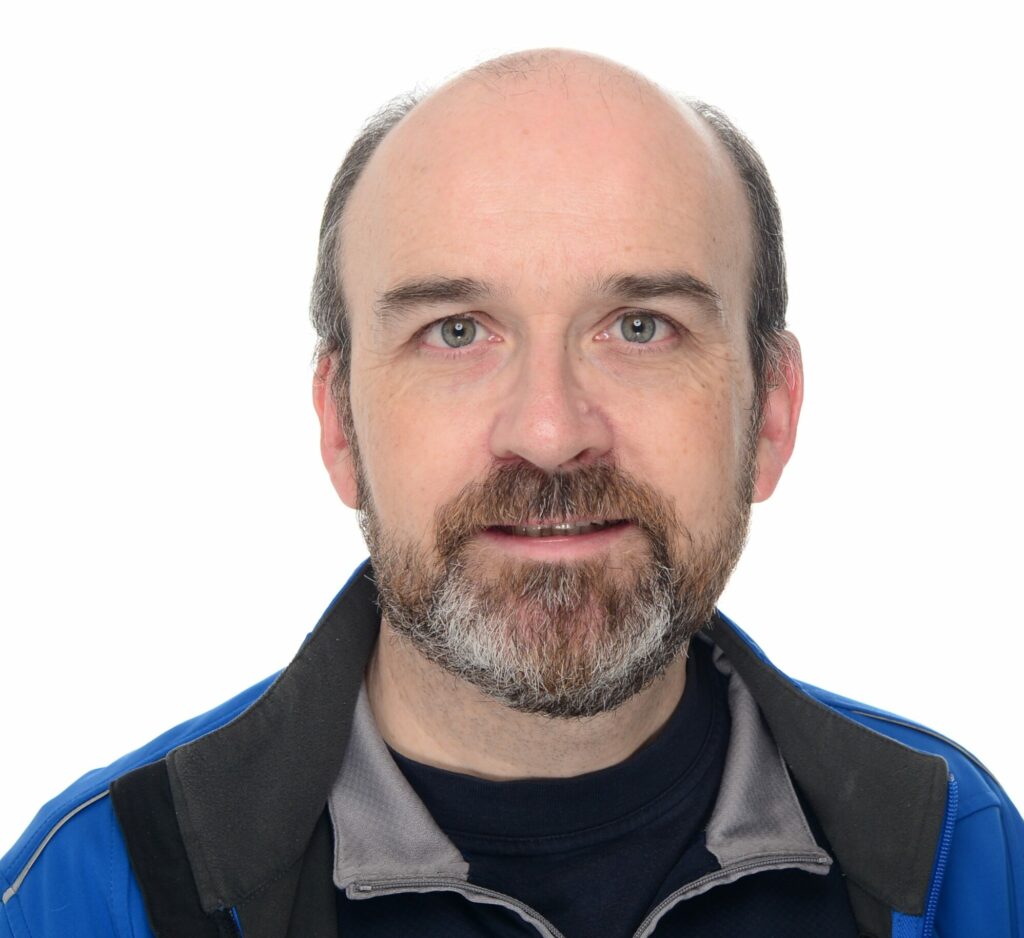
PHILIP GRIBBON is Head of Discovery Research at the Fraunhofer Institute for Translational Medicine and Pharmacology in Hamburg, Germany and Director General of the of the EU-OPENSCREEN European Research Infrastructure for Chemical Biology and Screening in Berlin. He is involved in multiple national and European programs on both drug discovery and FAIR data strategies. Previously, Philip was Chief Scientific Officer of the European ScreeningPort GmbH, which provided drug discovery and translational research services. Between 2005 and 2007, Philip was a manager at GlaxoSmithKline, Stevenage, focussed on the development of enabling technologies for drug discovery and development. In the period 2000 to 2005 he was a Principle Scientist at Pfizer working across multiple therapeutic areas. Between 1995- 1999, Philip was at the University of Manchester studying molecular interactions governing the function of connective tissues. He received his PhD in Biophysics from Imperial College London in 1995 and has MSc and BSc degrees in Physics. Philip currently serves as the vice-president of the Society of Laboratory Automation Sciences (SLAS).
Reuben Harris (San Antonio, TX – USA)
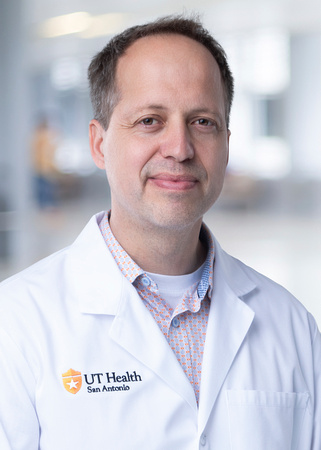
REUBEN HARRIS is an investigator of the Howard Hughes Medical Institute (HHMI) and chair of the Biochemistry and Structural Biology department at the University of Texas Health San Antonio. He received his B.S. (1993) and Ph.D. (1997) degrees from the University of Alberta and performed postdoctoral work at Baylor College of Medicine (1997-1998), Yale University (1998), and Cambridge University (1998-2003). He joined the University of Minnesota as an Assistant Professor in 2003 and was promoted to Associate Professor with Tenure in 2008 and to Full Professor in 2013. In 2022, Dr. Harris moved his laboratory to the University of Texas Health San Antonio. Dr Harris has received numerous grants and awards, including a Searle Scholarship, American Academy of Microbiology membership, NIH Merit Award, a Distinguished McKnight University Professorship, and the KT Jeang Prize. In 2015, he was also appointed as a Howard Hughes Medical Institute Investigator. Dr. Harris is an Associate Editor for Science Advances and an Editorial Board Member for the Journal of Biological Chemistry, Journal of Virology, and Cancer Research. He has published over 200 manuscripts, contributed to 13 patent applications, and co-founded a cancer therapeutics company. Dr. Harris’s scientific passion is elucidating mechanisms of mutation and establishing relevance to human biology and disease. As a doctoral student, he discovered a novel recombination-dependent mutation process operative in stationary-phase bacteria with implications for antibiotic resistance and microbial evolution. As a postdoctoral fellow, he helped solve an immunology Rosetta stone by discovering the DNA cytosine deaminase activity of AID and proposing a DNA deamination model for antibody gene diversification. Also as a postdoctoral fellow, he discovered the DNA cytosine deaminase activity of several APOBEC family members and, during the transition to faculty, elucidated a new mechanism of antiviral immunity by demonstrating APOBEC3G-catalyzed retroviral cDNA hypermutation. As a Principal Investigator, Dr. Harris has become known for his work on APOBEC enzymes in antiviral immunity. This body of work has shed light on fundamental mechanisms of antiviral immunity and yielded new strategies for drug development. In recent years, Dr. Harris’s virology studies have also enabled a major breakthrough in cancer research. His group found that APOBEC3 enzymes are responsible for a large proportion of mutations in breast, head/neck, lung, bladder, cervical, and other cancers. Independent work has confirmed these results and indicated that “APOBEC mutagenesis” far exceeds most other sources of mutations in cancer, including those attributable to smoking and UV rays. These breakthroughs have created new opportunities for cancer diagnosis, prognosis, and treatment by targeting tumor evolvability. One of his other passions is training and mentoring the next-generation of scientists, and he has trained a multitude of students and postdoctoral fellows over his career. Importantly, all of these trainees have succeeded in obtaining independent positions in academia or industry.
Chirs Meier (Hamburg, Germany)
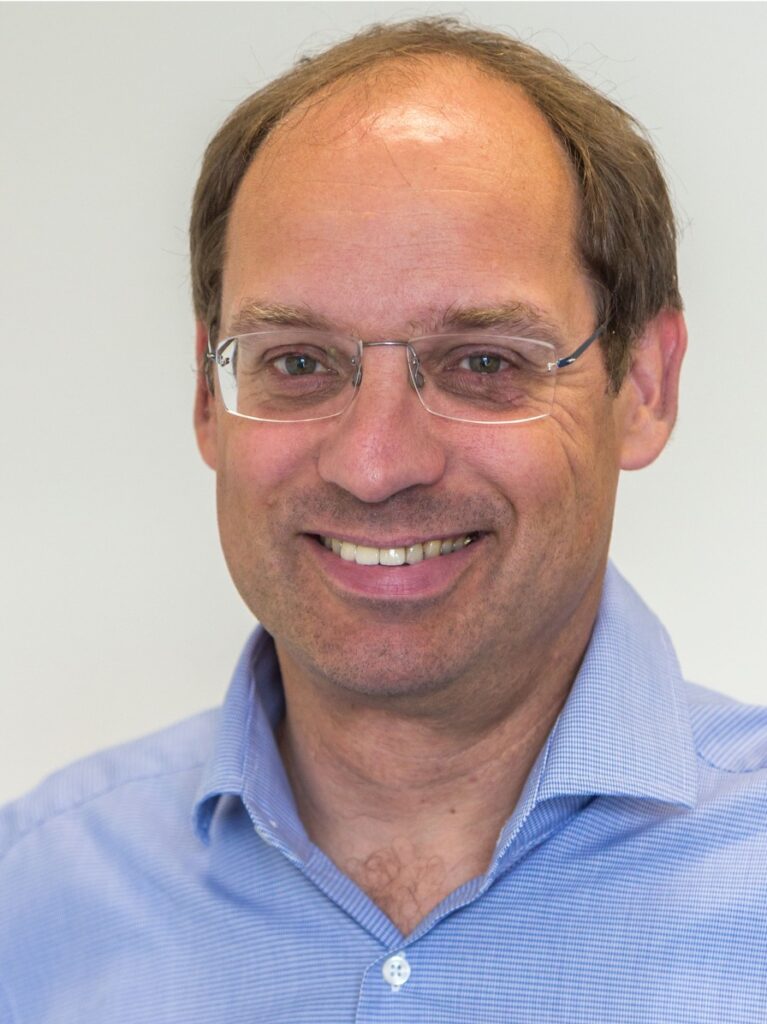
CHRIS MEIER born 1962 in Berlin, Germany, received a diploma and a doctorate (Ph.D.) in Chemistry from the University of Marburg, Germany. In his Ph.D. thesis he worked on the synthesis of ultimate carcinogens formed by metabolic steps from aromatic amines and which are involved in the induction of the chemical carcinogenesis in the group of Prof. Gernot Boche. He joined the Organic Chemistry Division at the Pasteur-Institute in Paris, France headed by Prof. Jean Igolen and Prof. Tam Huynh-Dinh as a Post-Doc and started working on nucleoside chemistry and prodrugs as antivirally active compounds. He returned to Germany joining the University of Frankfurt/Main in 1991 as an Assistant Professor under the mentorship of Prof. Joachim Engels. In 1996 he obtained the Habilitation in Organic Chemistry from the University of Frankfurt/Main, Germany. He was appointed as Associate Professor at the University of Würzburg, Germany and then in 1999 he joined University of Hamburg, Germany as a full professor for Organic Chemistry. He was president of the International Society on Nucleoside, Nucleotides and Nucleic Acids (IS3NA), board member of the International Society of Antiviral Research (ISAR) and is currently one of the Deputy Scientific Directors of the Centre for Structural Systems Biology (CSSB) in Hamburg. He received the William Prusoff Young Investigator Award in 2007 and the Antonin Holy-Award for outstanding research in Medicinal Chemistry in 2018 from the (ISAR). He was an invited guest professor and visiting professor at the Universities of Montpellier II and Toulouse, France and Shanghai, China. He is the deputy spokesman of a collaborative research center funded by the german research foundation. His research focuses on antiviral drug discovery, pronucleotide development, structure-based drug design of antivirals against emerging viruses, carbohydrate chemistry, phosphorylation methods in nucleoside chemistry and the synthesis of membrane-permeable and photocaged adenine second messengers. He has published more than 280 publications and is the inventor of 12 patents.
Christian Münch (Frankfurt, Germany)
Christian Münch is endowed Lichtenberg-Professor of Molecular Systems Medicine and Director of the Institute of Molecular Systems Medicine as well as Director of the Center for Functional Proteomics at Goethe University Frankfurt. His main research interests focus on cellular stress responses to mitochondrial protein misfolding, infection and disease. Besides biochemical and molecular biology methods, his laboratory applies and develops proteomics methods to measure cellular dynamics after stress on a systems biology level. One major goal is to combine molecular with global information to gain a cell-wide understanding of cellular changes upon stress. He studied Biochemistry at the University of Tübingen and the Max Planck Institutes in Martinsried and Tübingen (Germany). He obtained his PhD from the University of Cambridge (UK), working on protein aggregation and prion-like processes in neurodegenerative diseases with Anne Bertolotti at the Laboratory of Molecular Biology. For his postdoctoral work, Christian joined Wade Harper’s laboratory at Harvard Medical School to study cellular protein quality control and the mitochondrial unfolded protein response. From 2016-2024, Christian was an independent group leader and from 2023 Endowed Lichtenberg-Professor at the Institute of Biochemistry 2 at Goethe University Frankfurt. In 2024, Christian became full professor and director of the Institute of Molecular Systems Medicine. For his work, Christian received two ERC Grants, an Emmy Noether Grant and won a number of prizes, the British Neuroscience Association Postgraduate Award (2011), Johanna Quandt Young Academy Science Funding Award (2018), the Aventis Foundation Bridge Award (2019), the Binder Innovation Prize of the German Society for Cell Biology (DGZ, 2020), and the Otto Meyerhof Award of the German Society for Biochemistry and Molecular Biology (GBM, 2021). Christian is an EMBO Young Investigator. He serves in the steering committees of the BMBF Cluster4Future Proxidrugs, Collaborative Research Center 1177 Selective Autophagy, Fraunhofer Leistungszentrum TheraNova, the Excellence Cluster Initiative EMTHERA, the IMPRS Graduate School on Cellular Biophysics, the Transregio cluster 387 Functionalizing the Ubiquitin System against Cancer, and in the editorial board of the Journal of Cellular Biochemistry and the Selection Committee for Humboldt Research Fellowships.
Luis M. Schang (Ithaca, USA)
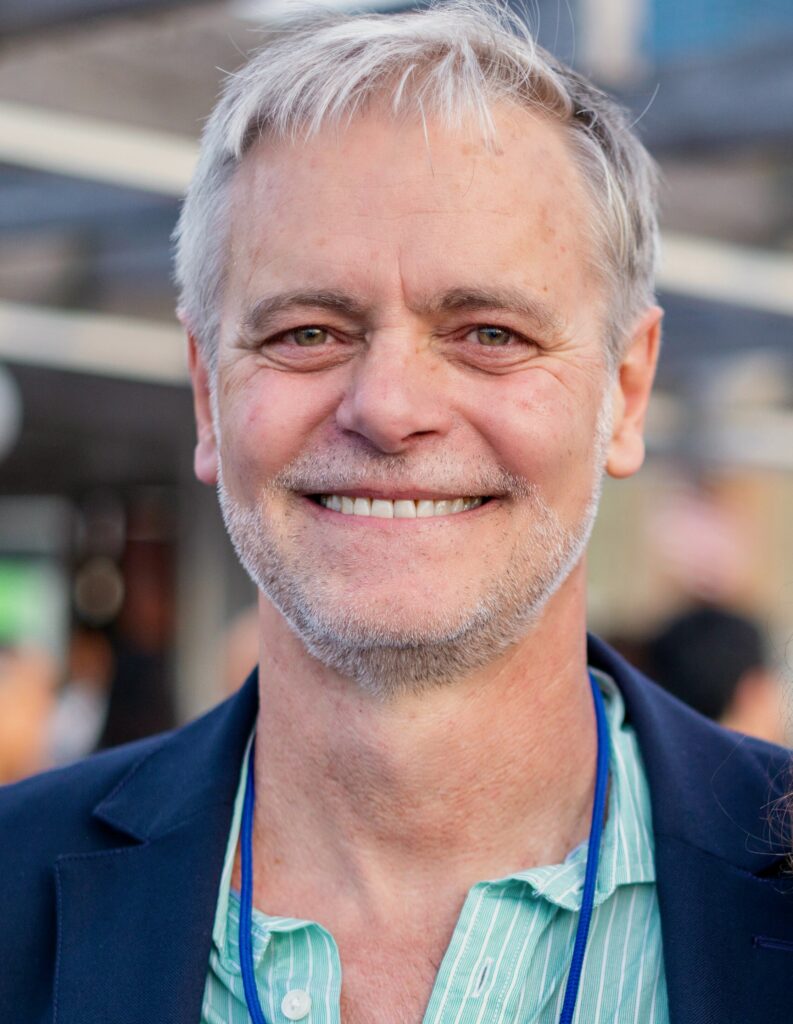
LUIS M. SCHANG serves as Professor of Chemical Virology at Cornell University. He holds a Médico Veterinario (MV) degree from Universidad de Buenos Aires, Argentina, and earned his Ph.D. at the University of Nebraska-Lincoln, followed by postdoctoral training at the University of Pennsylvania. Dr. Schang began his academic career as an Assistant Professor at the University of Alberta, where he advanced to Full Professor and held multiple leadership positions prior to joining Cornell University as Director of the Baker Institute in 2016. Dr. Schang has been actively engaged with the International Society for Antiviral Research (ISAR) since the 2000 Baltimore ICAR meeting. He was honored with a Young Investigator Presentation Award at ICAR Barcelona in 2005 and has served as both member and chair of the publications and communications committees. He was a member of the Board of Directors from 2019 to 2022. He was elected President-Elect in 2022 and assumed the presidency in 2024. He is currently ISAR immediate Past-President. His research focuses on developing innovative approaches to overcome major barriers in antiviral drug development including the use of AI/ML modeling and the application of chemical biology to investigate viral replication and pathogenesis, utilizing small chemical probes to identify shared mechanisms among diverse viruses and exploring their potential for antiviral development. Dr. Schang’s work is supported by major national and international funding agencies, pharmaceutical industry partnerships, and philanthropic contributions. He regularly publishes in leading scientific journals and serves as Editor or Editorial Board Member for several prominent society publications. Additionally, Dr. Schang founded and directed a startup and has provided consultancy for multiple antiviral companies. He has mentored or is mentoring 67 trainees at all levels, who have established successful careers in academia, industry, medicine, and other fields.
Kathie Seley-Radtke (Baltimore, MD – USA)
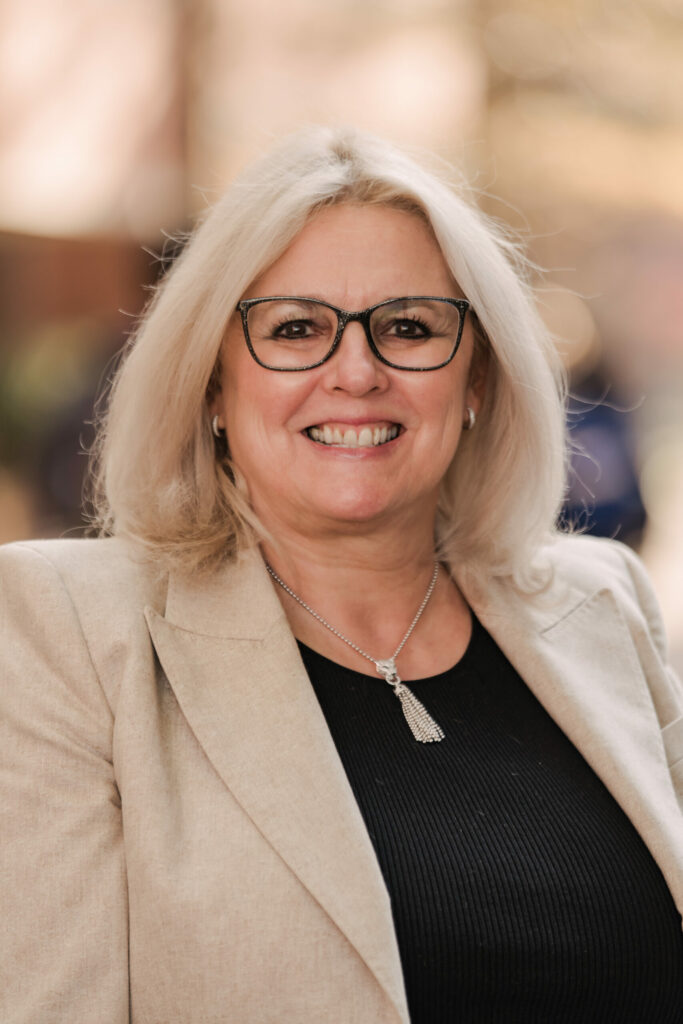
KATHERINE SELEY-RADTKE is a Professor in the Department of Chemistry & Biochemistry at the University of Maryland, Baltimore County. Her medicinal chemistry research focuses on targeting coronaviruses, filoviruses, flaviviruses among other infectious diseases, using her novel “fleximer” nucleoside/tide scaffolds. Prof. Seley-Radtke is currently the President of the International Society for Antiviral Research (ISAR), as well as a past President and current Secretary for the International Society for Nucleosides, Nucleotides & Nucleic Acids (IS3NA). She also chaired of the 2023 Gordon Research Conference on Nucleosides, Nucleotides & Oligonucleotides. Prof. Seley-Radtke also serves as Editor in Chief of Annual Reports in Medicinal Chemistry, and as Associate Editor of Science Advances/AAAS. Some of her other service contributions include her continuing role as one of the U.S. National Academies of Science’s Jefferson Science Fellows with the U.S. Dept. of State and the U.S. Embassy in Moscow, Russia. For the past 22 years, Kathie has served on numerous NIH and other funding agency review panels, including as Chair/Alternate Chair. Most notably, Kathie has been heavily involved in mentoring junior colleagues, and as part of this, when she was President of IS3NA, she initiated the Chu Family Foundation Fellowships for Early Career Women for both IS3NA and ISAR, and she continues to Chair that important committee for both Societies. She has published over 100 papers and book chapters, has 27 patents, given over 170 invited and plenary lectures world-wide, and has received many honors including the American Chemical Society’s Chemist of the Year in 2016, the University of Maryland System’s Regents’ Faculty Award for Excellence in Research in 2017, the 2015-2018 UMBC Presidential Research Professor, as well as one of the Baltimore Sun’s 25 Women to Watch. More recently she was selected as Kathie was awarded the 2020 ISAR Antonín Holy Memorial Award for her outstanding accomplishments and demonstrated service to the antiviral and medicinal chemistry field. The Holy award is the Society’s top honor for chemists.
Timothy P. Spicer Ph.D (Jupiter, USA)
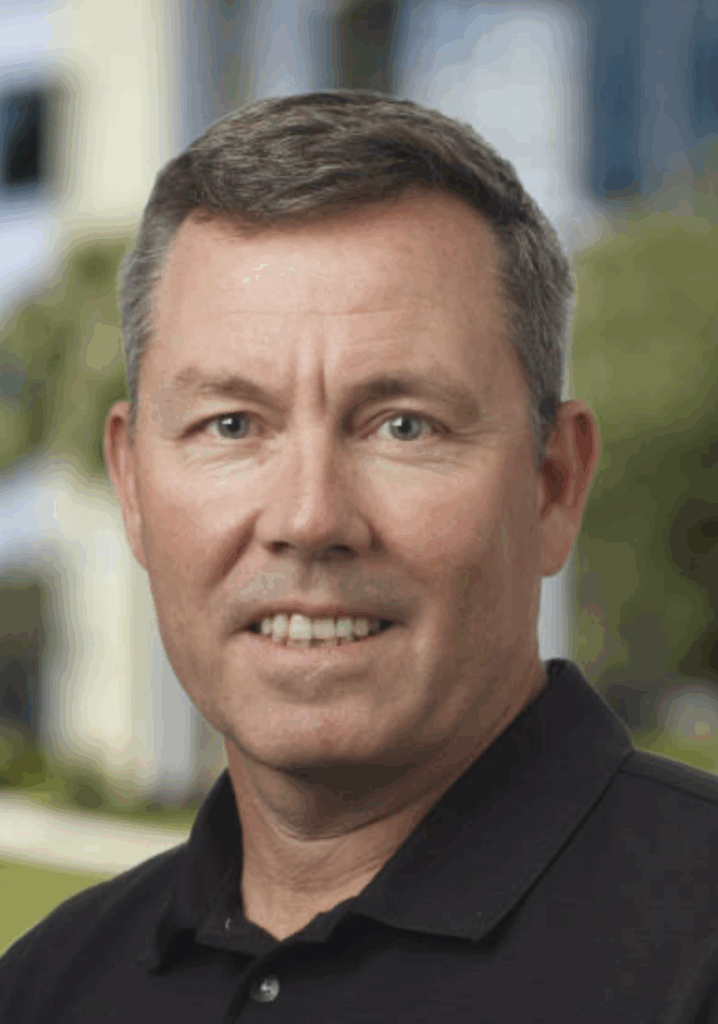
TIMOTHY P. SPICER Ph.D. is Senior Scientific Director in the Department of Molecular Medicine at Herbert Wertheim UF Scripps Institute for Biomedical Innovation & Technology in Jupiter, Florida, where he has been a founding member since 2005. He is the Director of the High Throughput Screening (HTS) Center and Assistant Professor of Molecular Therapeutics. Dr. Spicer specializes in developing enabling technologies for HTS targeting unmet therapeutic needs. He leads efforts to miniaturize and automate biological assays in high-density formats, including fully automated 1536-well screening platforms, supporting large-scale screening of diverse compound libraries such as the 645,000-member Scripps Drug Discovery Library. He serves as principal investigator on HTS-focused projects generating over $2 million annually in contract funding. Prior to joining Scripps, Dr. Spicer spent nearly a decade at Bristol-Myers Squibb in discovery and virology research roles. He earned his Ph.D. from the University of Queensland, M.S. in microbiology from SUNY Health Science Center at Syracuse, and B.S. in biology from SUNY Albany. Dr. Spicer has authored over 170 publications and holds eight U.S. patents, several contributing to clinically approved therapies such as RUKOBIA. He is Associate Editor of SLAS Discovery, has holds leadership roles within the University of Florida, the SLAS, and participates on multiple advisory boards for technology development.
Vincenzo Summa (Naples, Italy)
VINCENZO SUMMA is a full professor of Medicinal Chemistry in department of Pharmacy at Federico II University, Naples, since May 2019. He is one of the founders in 2009 of IRBM spa a research center formally a spin-off of the Merck Research Laboratories located in Rome. He also served as Vice-president, Drug Discovery of IRBM spa. Vincenzo is graduated in Industrial Chemistry at the University of Rome ‘La Sapienza’ in 1991 and in 1997 obtained his Ph.D. in Organic Chemistry at Bergische Universität Wuppertal. From 1992 to 1994 was also a fellow at the University of Rome “La Sapienza”. In 1996 he started his industrial carrier at Merck Research Laboratory in Rome at the Medicinal Chemistry Department. He gained increasing scientific and managerial responsibility becoming Director in the Med. Chem. department. He led several projects mainly in antiviral drug discovery and development fields bringing successfully several compounds into the clinical development. Vincenzo’s most relevant scientific contributions are the discovery of two antiviral drugs, Raltegravir (Isentress), the First in Class HIV integrase inhibitor approved and Grazoprevir the Best in Class HCV protease inhibitors. He received important awards for the discovery of these two very important drugs. He was appointed twice Heroes of Chemistry from the American Chemical Society for the discovery, Raltegravir ( ISENTRESS®) the first in class HIV int. inh. in 2013 and , in 2017 for the discovery of Grazoprevir-ZAPATIER® the Best in class HCV protease inhibitor. He received the Holì Memorial Award by the International Society for Antiviral Research in 2023. The most recent award is the Medaglia Giacomello for the Division of Medicinal Chemistry of the Italian Chemistry Society in August 2024. The current main research areas are in antivirals, epigenetic modulators, neglect and rare diseases.
Oriana Tabarrini (Perugia, Italy)
ORIANA TABARRINI is a Full Professor of Pharmaceutical Chemistry (CHEM-07/A – Chimica farmaceutica) in the Department of Pharmaceutical Sciences at the University of Perugia (UNIPG), Italy. She has been affiliated with UNIPG since 2002, initially as Associate Professor of Pharmaceutical Chemistry and later elevated to Full Professor. She currently serves as Coordinator of the PhD Program in Pharmaceutical Sciences at UNIPG. The scientific activity, documented by 142 publications in international journals with high IF (of which 34 published in JMedChem), five patents, mainly concerned the design, synthesis, characterization and biological evaluation of small molecules as chemotherapeutic agents, with particular focus on antivirals. The studies initially concerned compounds with antibacterial activity thanks to scholarships funded by Mediolanum Farmaceutici. The research activity was then directed to the development of antiviral agents, starting the line of research on HIV, HCV and Influenza. Other viruses of interest have been HCMV, HPV, and Dengue and in the last years SARS-CoV2. Over the years she has also been involved in the development of anticancer agents and recently she started a new line of research focused on PARP enzymes inhibitors. All the researches were performed in collaborations with national and international groups responsible for biological evaluation and/or computational studies.
Carmine Talarico (Italy)
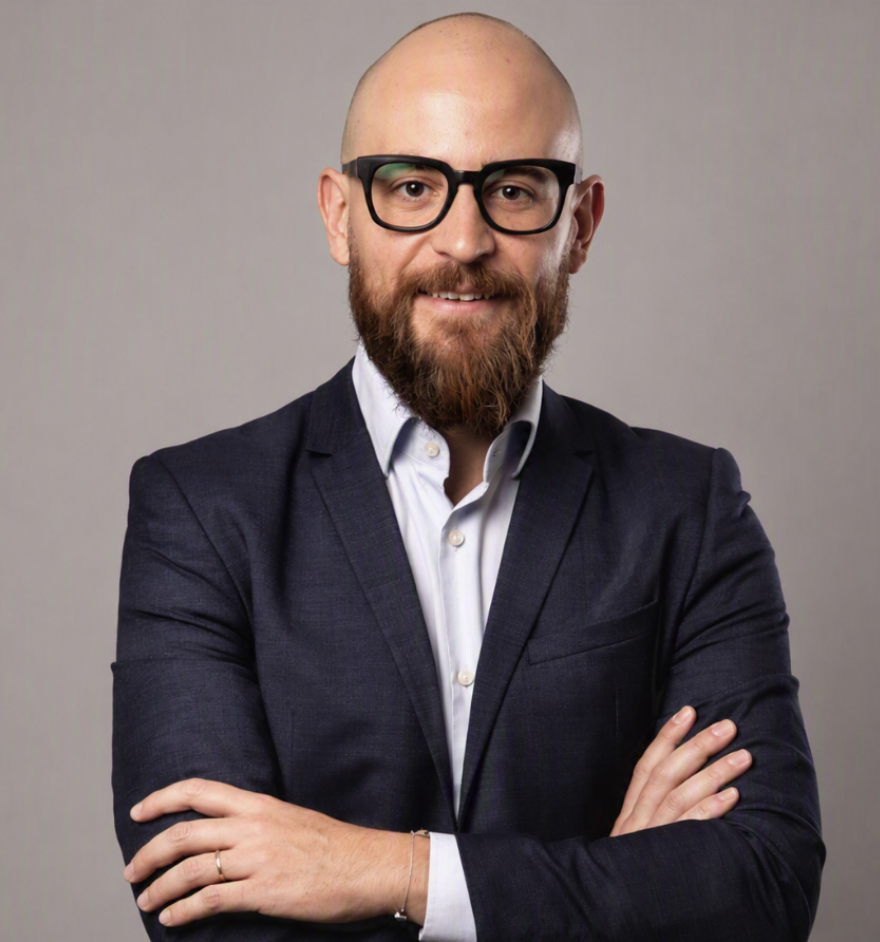
Carmine Talarico, PhD, is Structural Biology Manager at EXSCALATE, Dompé Farmaceutici, where he leads multidisciplinary teams and research activities focused on AI- and physics-based drug discovery. His expertise spans structural bioinformatics, molecular modelling, molecular docking, molecular dynamics, high-performance computing, and the development of large-scale computational pipelines integrated with experimental validation. He has held scientific leadership roles in major European initiatives, including LIGATE, EXSCALATE4CoV, and AVITHRAPID, contributing to the development and application of HPC-enabled technologies for drug discovery and antiviral research. His work focuses on translating advanced computational methods into scalable and actionable strategies for the identification and prioritization of novel therapeutic candidates.
Pier Olivier Vidalain (Lyon, France)
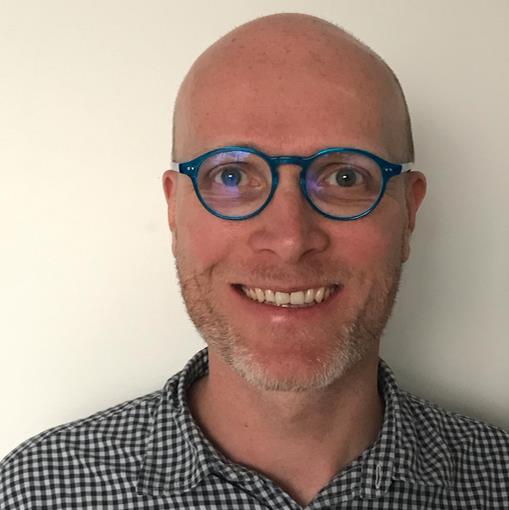
PIERRE-OLIVIER VIDALAIN, is Directeur de Recherche (Research Director) at the CNRS (Centre National de la Recherche Scientifique) and Team Leader of the VIRIMI team (Viral Infection, Metabolism and Immunity) at the Centre International de Recherche en Infectiologie (CIRI) in Lyon, France. CIRI is a joint unit of INSERM U1111, CNRS UMR5308, Université Lyon 1, and ENS de Lyon. Dr. Vidalain obtained his Ph.D. in immunology in 2002 from the École normale supérieure de Lyon (ENS Lyon), followed by a postdoctoral fellowship at Harvard Medical School (Boston) in Pr. Marc Vidal’s team at Dana-Farber Cancer Institute, where he trained in high-throughput screening techniques and protein-protein interaction analysis. He also earned an Habilitation à diriger des recherches (HDR) in Virology from Université Paris Cité in 2012. In 2005, he joined the CNRS as a researcher at Institut Pasteur’s Virology Department, studying viral escape mechanisms from immune responses and developing assays to identify antiviral compounds targeting host factors. Named Directeur de Recherche in 2015, he moved to Université Paris Descartes’ Laboratoire de chimie et biochimie pharmacologiques et toxicologiques to pursue work on immuno-stimulatory molecules, particularly compounds inhibiting pyrimidine biosynthesis with immunomodulatory properties. In January 2019, he returned to Lyon at CIRI. His research investigates interactions between metabolism products and innate immunity in healthy and pathological liver, immunomodulatory properties of small compounds targeting pyrimidine biosynthesis, and viral-cellular protein interactions. He has an h-index of 40 with 120 publications and over 10,294 citations.
Damian Young Ph.D. (Houston, TX, USA)
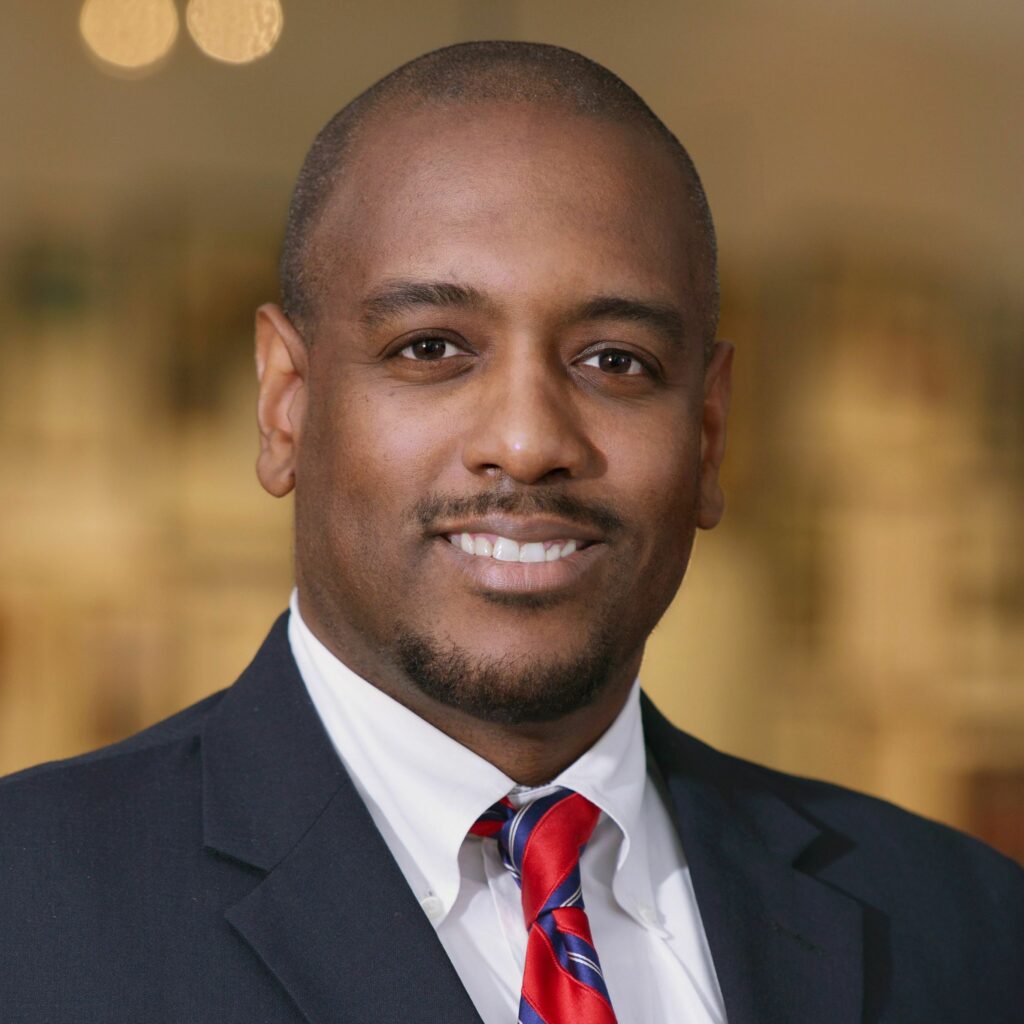
DAMIAN YOUNG is a Assistant Director for the Center for Drug Discovery at Baylor College of Medicine. He is also a faculty member within the Departments of Pharmacology and Pathology and Immunology. Adjunct Assistant Professor, Chemistry, Rice University, Houston, Texas USA. Member of the Dan L Duncan Comprehensive Cancer Center, Baylor College of Medicine, Houston, Texas United States. HE obtained his BS from Howard University, District of Columbia, United States. His PhD from North Carolina State University, Raleigh, North Carolina United States and worked as Post-Doctoral Fellowship at Harvard University and the Broad Institute of Harvard and MIT Cambridge, Massachusetts United States. His research focuses on the development of chemical pathways leading to molecules that can be used to probe fundamental and disease-associated biology. His lab is pioneering new chemical and biophysical methodologies related to fragment-based drug discovery
